Navigating the diverse landscape of fitness options can be overwhelming. With numerous workout methods promising to boost strength, flexibility, and overall health, understanding the distinctions between popular choices is crucial. This article explores the differences between the Lagree Method and traditional Pilates, guiding you to determine which workout best aligns with your fitness aspirations. Whether your goal is to enhance strength, endurance, or flexibility, this guide will provide valuable insights into both methods.
What is Lagree and how does it differ from Pilates?
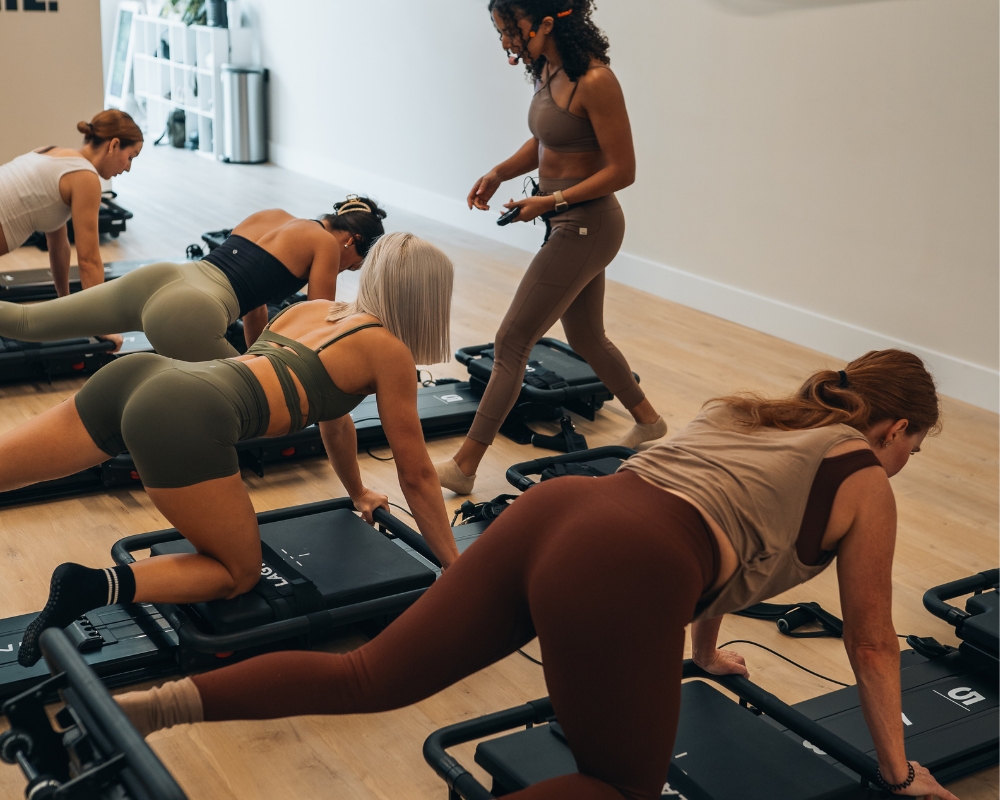
The Lagree Method is a high-intensity workout developed by Sebastien Lagree in the late 1990s. It combines elements of strength training, cardio, and flexibility, all performed on a specialized machine called the MiniFormer. The method emphasizes slow, controlled movements that target multiple muscle groups simultaneously, leading to enhanced strength and endurance. This approach is often described as an isokinetic, reduced-speed method that maximizes time under tension, making it effective for promoting muscle growth and endurance.
On the other hand, traditional Pilates, created by Joseph Pilates in the early 20th century, focuses on core strength, stability, and body alignment. It involves a series of exercises performed on a mat or specialized equipment, such as the Reformer. The foundational principles of Pilates include concentration, control, centering, precision, breath, and flow, all aimed at improving overall body awareness.
Key Differences in Approach and Philosophy
- Intensity: The Lagree Method is typically more intense than traditional Pilates, incorporating faster-paced movements and a focus on muscle fatigue. This high-intensity approach, combined with the low-impact methodology, makes Lagree suitable for individuals of all fitness levels, including those looking for a challenging yet safe workout. According to Health.com, "Lagree is a strong advocate for low-impact workouts that can be sustained for a lifetime."
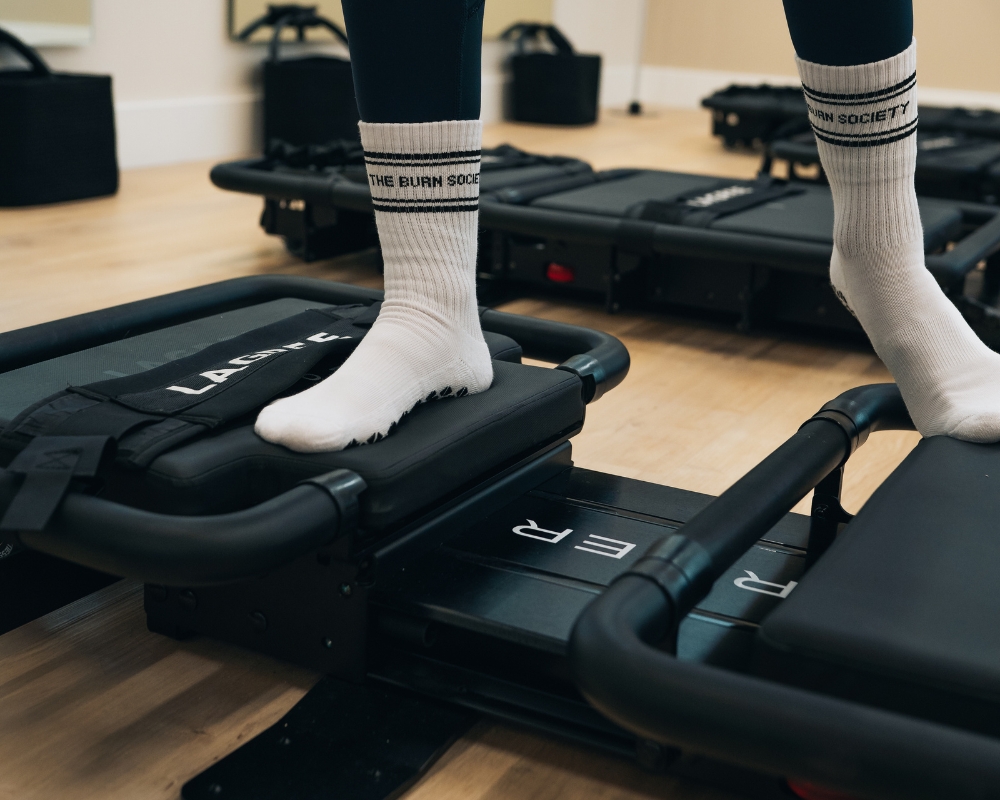
- Equipment: While both methods use specialized equipment, the MiniFormer used in Lagree classes is designed for a more strength-and-endurance–driven style of training than the Reformer used in traditional Pilates. It’s a spring-based, sliding-carriage machine built to support Lagree’s signature slow, controlled work and seamless transitions, so you can move through a wide range of full-body exercises that build strength, balance, and overall athletic conditioning. (Lagree Fitness)
As Vogue notes when comparing Lagree to Reformer Pilates, both machines use spring resistance, but Lagree equipment is generally positioned as more of a “fitness machine” than a rehab-oriented tool. The key difference for your page here is that the MiniFormer delivers that Lagree-style intensity in a more compact footprint, with adjustable spring resistance that can be scaled for beginners through advanced athletes. (Vogue)
- Workout Focus: Lagree emphasizes strength and endurance, while Pilates prioritizes core stability and flexibility. This distinction is crucial for individuals looking to achieve specific fitness goals, whether that be building muscle or enhancing flexibility.
What specific benefits can I expect from practicing Lagree compared to traditional Pilates?
Practicing the Lagree Method offers unique benefits, particularly in terms of strength and muscle endurance. Some of the specific benefits include:
- Full-Body Workout: Lagree engages multiple muscle groups simultaneously, promoting balanced strength. This comprehensive approach ensures that no muscle group is neglected, which can lead to improved overall fitness. As highlighted by Vogue, "Lagree is largely focused on more muscularly intense exercises (isometric work, where muscle fatigue is the goal); it also integrates non-impact cardio and higher intensity fitness movements like squats, lunges, and planks as well as slow, continuous movements."
- Enhanced Cardio: The high-intensity nature of Lagree elevates heart rates, providing cardiovascular benefits. This feature is particularly appealing for those looking to incorporate cardio into their strength training routine. According to Vogue, "Lagree is deliberately high-intensity. The majority of exercises are performed standing, engaging multiple muscle groups at once, often for over three minutes."
- Increased Flexibility: Despite its strength focus, Lagree also incorporates movements that enhance flexibility. The combination of strength and flexibility training can improve overall athletic performance.
In contrast, traditional Pilates provides benefits such as:
- Core Strength: Pilates is renowned for its ability to strengthen the core, leading to better posture and stability. This focus on core engagement can be beneficial for activities beyond the studio, including daily movements and sports.
- Mind-Body Connection: The focus on breath and control fosters a deeper connection between mind and body. This aspect of Pilates can enhance mental well-being and mindfulness, making it a holistic approach to fitness.
Insights from Lagree method pilates reviews often highlight the rapid improvements in strength and endurance, making it a popular choice for those seeking quick results. Many practitioners appreciate the supportive and personalized fitness environment that Lagree offers, which can enhance motivation and adherence to fitness goals.
Can you explain the differences in the equipment used for Lagree and Pilates classes?
The equipment used in each method significantly influences the workout experience.
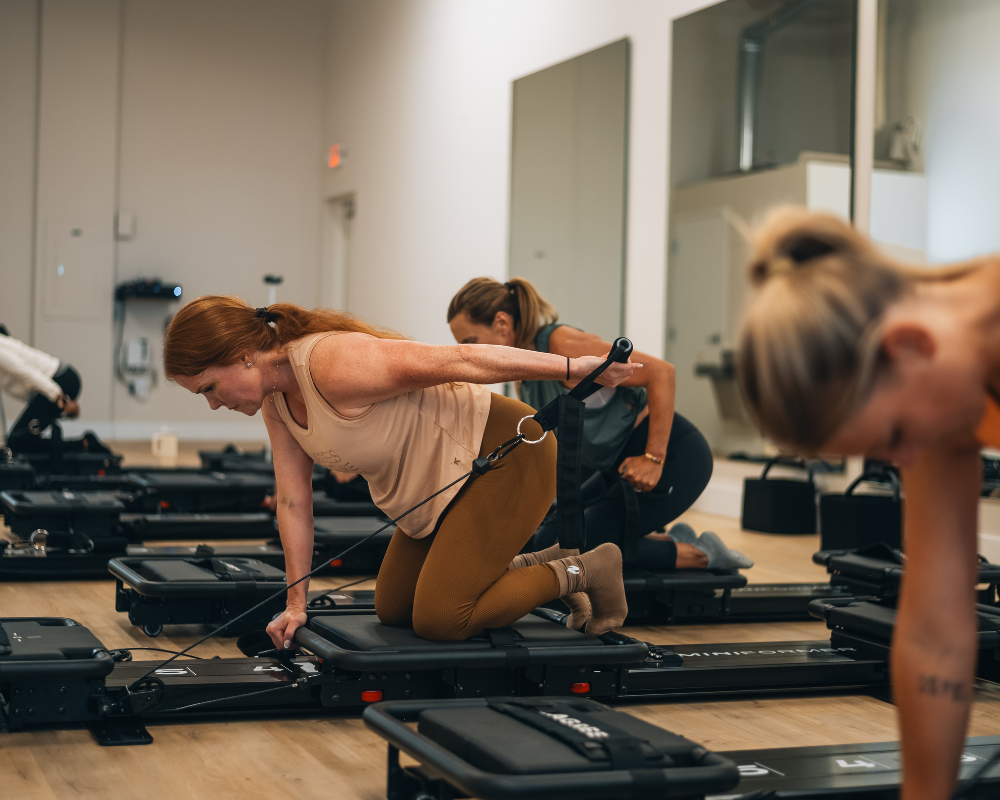
- Lagree Equipment: The Lagree MiniFormer is a primary machine used for Lagree-style training (especially in home setups and space-conscious studios). It features a spring-based resistance system and a sliding carriage that supports a wide variety of exercises challenging both strength and endurance. The MiniFormer is specifically built to maximize the “time under tension” principle Lagree is known for, so participants can safely and effectively progress over time by increasing resistance, range, and control. (Lagree Fitness)
- Pilates Equipment: Traditional Pilates often utilizes the Reformer, which also uses adjustable springs but is generally programmed with a stronger emphasis on controlled movement quality, alignment, and foundational strength and flexibility. While the Reformer can absolutely be challenging, it typically doesn’t pursue the same continuously fatiguing, high-intensity strength-endurance format that Lagree workouts are known for. (Vogue)
How Equipment Influences the Workout Experience
- Versatility: The MiniFormer allows for more dynamic movements, while the Reformer emphasizes controlled, precise exercises. This versatility in Lagree equipment makes it possible to tailor workouts to individual fitness levels and goals, promoting a more personalized approach to fitness.
- Challenge Level: Lagree's equipment is designed for high-intensity workouts, often resulting in quicker fatigue compared to traditional Pilates. This aspect can be particularly appealing for those looking to maximize their workout efficiency in a shorter time frame.
In summary, understanding the differences between the Lagree Method and traditional Pilates can help you make an informed decision about which workout best fits your fitness aspirations. By considering factors such as intensity, equipment, and specific benefits, you can choose a method that aligns with your goals and lifestyle.
Is Lagree More Effective Than Pilates?
When comparing the effectiveness of the Lagree Method and Pilates, several factors come into play. Both methods offer unique benefits, and their effectiveness may vary based on individual goals and preferences.
Factors Influencing Effectiveness
- Personal Goals: For individuals focused on weight loss, the Lagree vs Pilates for weight loss debate often favors Lagree due to its higher intensity and calorie-burning potential. The Lagree Method combines high-intensity with low-impact methodology, allowing practitioners to achieve significant results without the risk of injury. This makes it particularly appealing for individuals looking to shed pounds while maintaining joint health. According to Lagree Fitness, "The Lagree Method utilizes tried and proven bodybuilding training techniques not inherent to Pilates."
- Fitness Level: Beginners may find Pilates more accessible, while experienced individuals may prefer the challenge of Lagree. The state-of-the-art Lagree reformers are designed to accommodate various fitness levels, providing adjustable resistance that allows users to progress at their own pace. This adaptability ensures that everyone, regardless of their starting point, can benefit from the Lagree Method. As noted by Lagree Fitness, "The union of these bodybuilding techniques and low-impact qualities, which are fundamental to Lagree Fitness, directly translate to rapid results."
Ultimately, the question of Lagree vs Pilates: which is better depends on personal fitness objectives and preferences.
Is Lagree More Challenging Than Pilates?
The intensity and difficulty levels of both workouts can differ significantly.
- Lagree: Known for its high-intensity, full-body workouts, Lagree often pushes practitioners to their limits, leading to muscle fatigue and increased endurance. The isokinetic, reduced-speed method employed in Lagree workouts emphasizes time under tension and progressive overloading, which can lead to faster gains in strength and endurance compared to traditional Pilates. As highlighted by Lagree Fitness, "Lagree Fitness is fundamentally based on Effective Form, Effective Range of Motion, Effective Tempo, Effective Duration, Effective Sequence, Effective Transition, Effective Tension, and Effective Plane of Motion."
- Pilates: While Pilates can be challenging, it typically focuses on control and precision, making it suitable for a wider range of fitness levels. However, this focus can sometimes limit the intensity of the workout, which may not be as effective for those seeking rapid improvements in physical fitness.
Personal Experiences and Testimonials
Many practitioners of the Lagree method Pilates reviews indicate that they find Lagree to be a more physically demanding experience, especially when it comes to building strength and endurance. Testimonials often highlight how the combination of high-intensity and low-impact training allows them to push through their limits while minimizing the risk of injury. However, individual experiences may vary based on fitness levels and personal preferences.
How Is Lagree Different Than Pilates?
In summary, the key differences between Lagree and Pilates can be categorized into workout structure and philosophy:
- Workout Structure: Lagree workouts are typically faster-paced, focusing on muscle fatigue and endurance, while Pilates emphasizes controlled movements and core stability. The Lagree Method integrates a variety of movements that engage multiple muscle groups simultaneously, providing a comprehensive workout that promotes overall strength and balance. As noted by Lagree Fitness, "The two workouts may appear similar at a glance, but they’re completely different, each with their own approaches, sets of principles, and fitness aims."
- Target Muscle Groups: Lagree targets multiple muscle groups simultaneously, whereas Pilates often isolates specific muscle areas for focused training. This holistic approach not only enhances muscular strength but also improves functional fitness, making it easier for individuals to perform daily activities.
These differences significantly affect results, with Lagree often leading to faster improvements in strength and endurance, while Pilates fosters a deeper mind-body connection and core stability. The founding mission of Lagree emphasizes supportive, personalized fitness, ensuring that each workout is tailored to meet the unique needs of every participant.
Conclusion
In conclusion, both the Lagree Method and Pilates offer unique benefits that can cater to different fitness goals and preferences. While Lagree may be more effective for those seeking high-intensity workouts that promote rapid strength and endurance gains, Pilates remains a valuable option for individuals focused on control, flexibility, and core stability.
Ultimately, the choice between Lagree and Pilates should be guided by personal fitness objectives, current fitness levels, and individual preferences.
Call to Action
Discover how the Lagree Method can transform your fitness routine by combining strength, endurance, and flexibility for maximum results. Don't miss out on the opportunity to elevate your workout experience—join a class today, feel the difference for yourself and start your journey towards a stronger, healthier you!