As fitness enthusiasts explore various workout options, the debate between Lagree vs Pilates continues to gain traction. Both methods promise effective results, but which one truly stands out in delivering those results? This article will delve into the key differences, benefits, and challenges of each method, helping you determine which workout aligns best with your fitness goals.
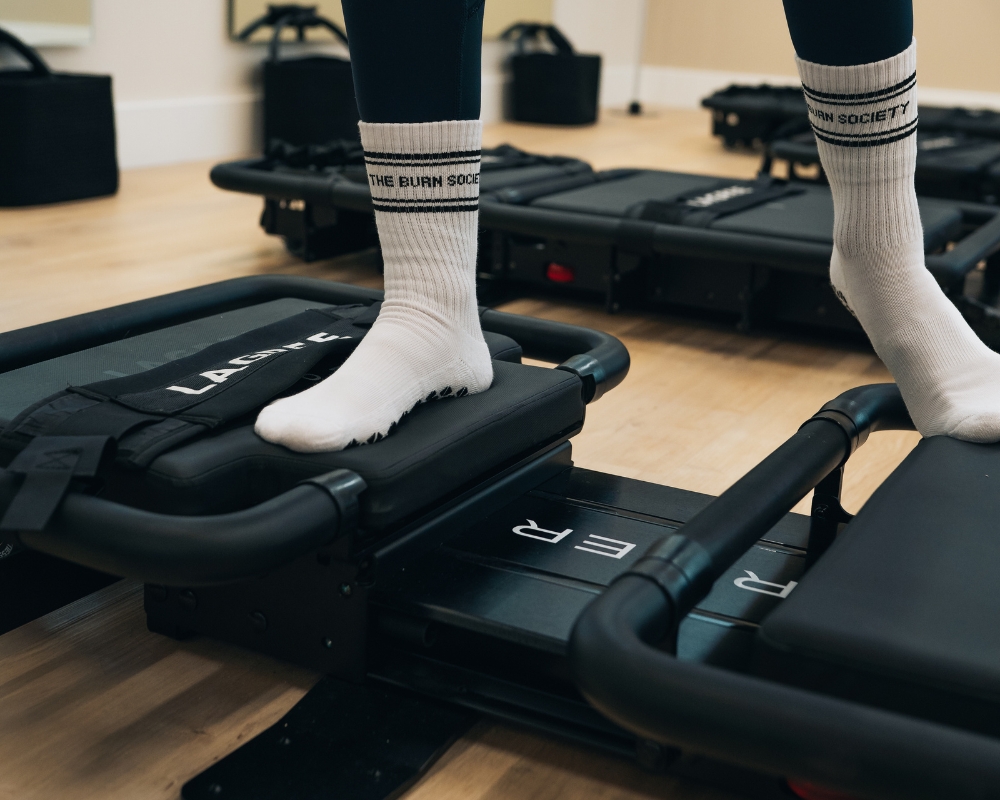
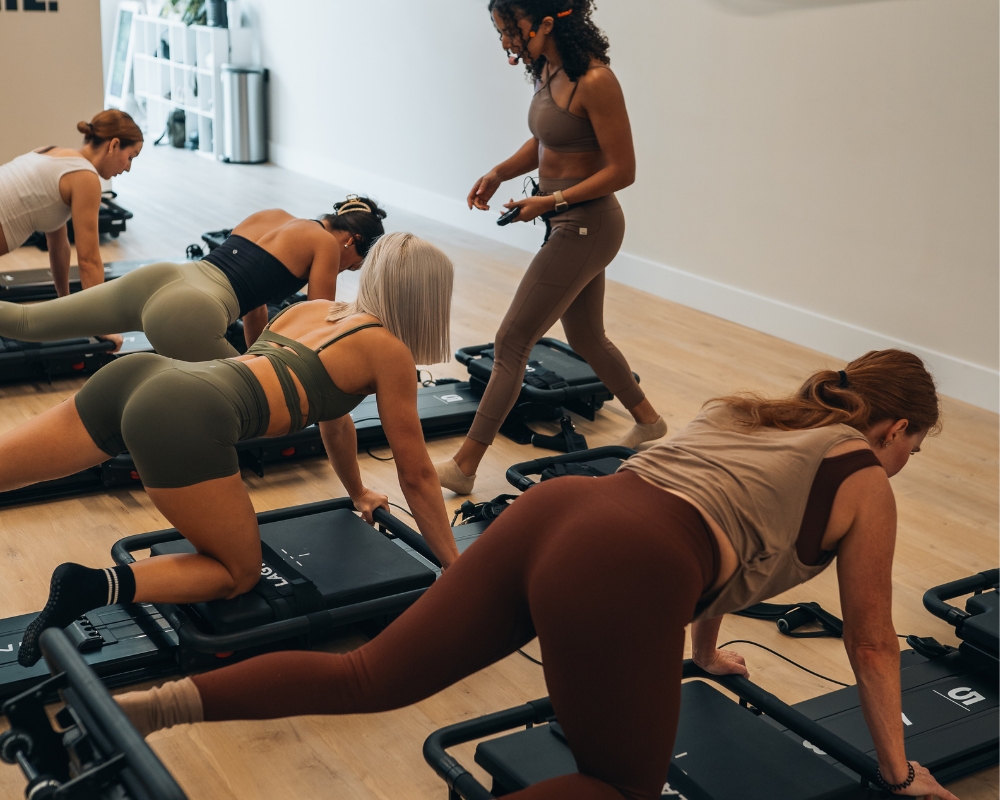
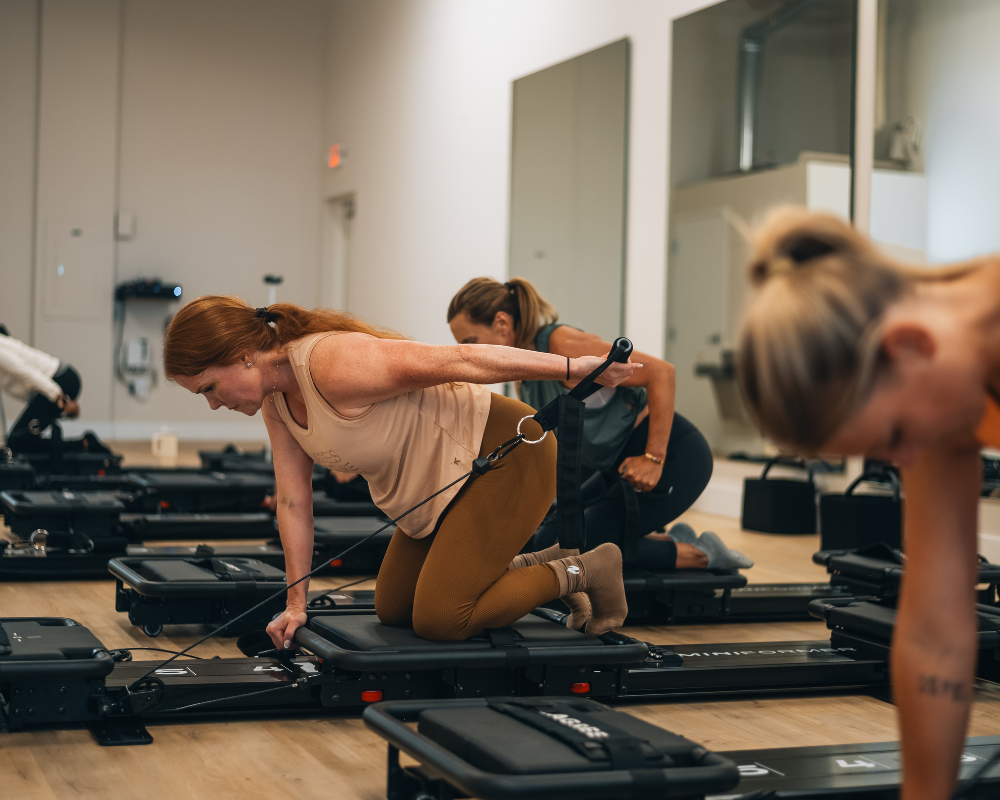
The Lagree method is a high-intensity workout that combines strength, endurance, and flexibility training. Developed by Sebastien Lagree, this method utilizes a unique machine called the MiniFormer, which allows for a wide range of exercises that target multiple muscle groups simultaneously. The core principles of Lagree focus on slow, controlled movements that maximize muscle engagement and promote muscle toning. This isokinetic, reduced-speed method emphasizes time under tension and progressive overloading, making it effective for all ages and fitness levels.
On the other hand, Pilates is a low-impact exercise system created by Joseph Pilates. It emphasizes core strength, flexibility, and overall body awareness. Pilates exercises can be performed on a mat or using specialized equipment like the Reformer. Key components include controlled movements, breath control, and a focus on alignment.
When comparing intensity and difficulty, many practitioners find Lagree workouts to feel more challenging than traditional Pilates because of the sustained time under tension and muscle endurance focus. On the MiniFormer, the spring-based resistance can be adjusted to increase difficulty, making each session highly customizable for different fitness levels, whether you’re just starting out or looking to push toward advanced progressions.
Testimonials from practitioners highlight these differences:
When it comes to weight loss, many fitness experts argue that Lagree may be more effective than Pilates. The high-intensity nature of Lagree workouts can lead to greater calorie burn during and after exercise.
Insights from fitness experts often suggest that for those focused on weight loss, Lagree vs Pilates may lean in favor of Lagree due to its higher intensity and metabolic benefits.
The Lagree method operates on the principle of slow, controlled movements that engage multiple muscle groups. The MiniFormer is designed to provide resistance throughout the entire range of motion, allowing for effective muscle engagement.
This method not only tones muscles but also enhances overall fitness, making it a comprehensive workout option.
Ultimately, whether Lagree is better than Pilates depends on personal preferences and fitness goals. Both methods have their pros and cons:
Expert opinions suggest that individuals should consider their personal fitness goals when choosing between the two methods.
Discover the transformative power of the Lagree Method and how it can elevate your fitness routine to new heights. Ready to experience a workout that combines strength, endurance, and flexibility? Join us for a free introductory class and start your journey towards a stronger, healthier you today!
For more insights on the effectiveness of the Lagree Method, see Do you lose weight from Lagree?. If you're curious about the intensity of Lagree workouts, check out Is Lagree one of the hardest workouts?. Additionally, for a deeper understanding of the Lagree Method itself, refer to What is the Lagree method?.